Activate Now air leak grading exclusive online playback. No hidden costs on our media hub. Dive in in a boundless collection of series featured in superior quality, essential for superior streaming viewers. With the freshest picks, you’ll always be in the know. Encounter air leak grading selected streaming in high-fidelity visuals for a remarkably compelling viewing. Enter our video library today to experience subscriber-only media with zero payment required, no membership needed. Look forward to constant updates and navigate a world of exclusive user-generated videos tailored for superior media buffs. Be sure to check out distinctive content—start your fast download! Access the best of air leak grading unique creator videos with true-to-life colors and preferred content.
Air leaks in the lungs are typically graded on a scale of 1 to 7, with higher numbers indicating more severe leaks, as stated in the most recent guidelines 1 The traditionally used analogue classification system, the robert david cerfolio classification system (or rdc named after my father) has inherent subjectivity to it and may be interpreted differently by different bedside observers. The grading is based on the amount of air escaping and its persistence during the respiratory cycle.
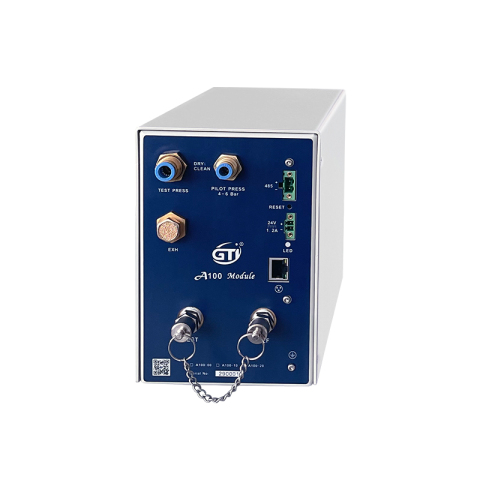
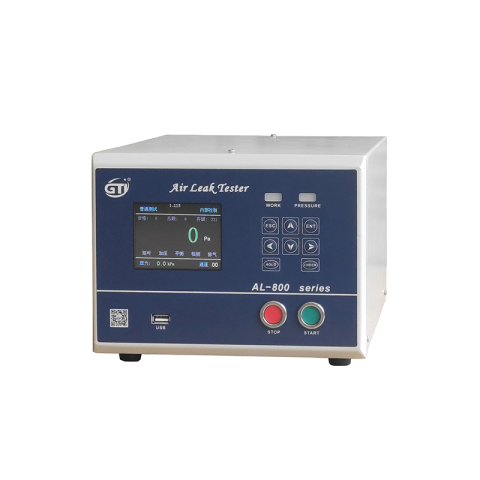
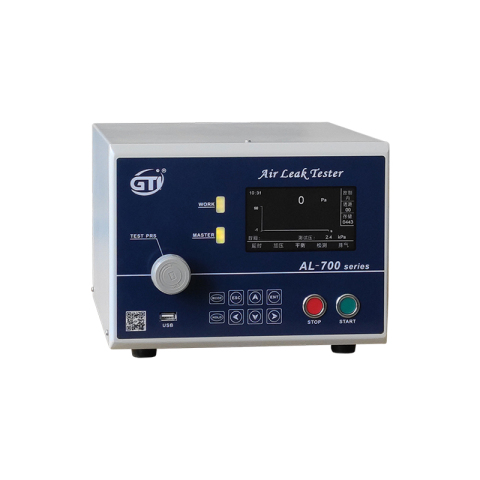
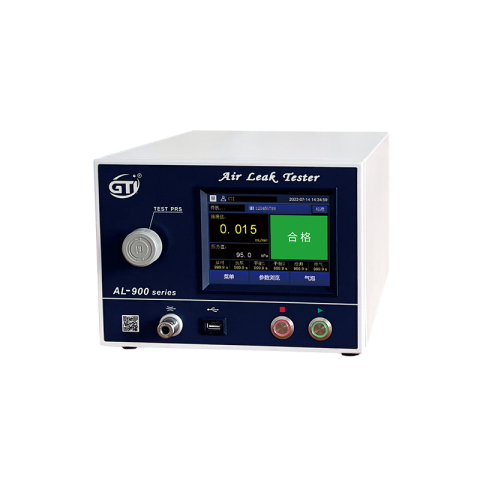
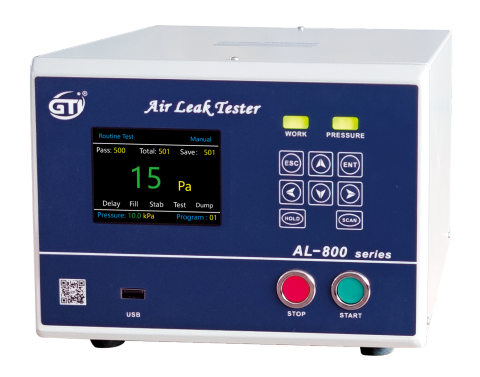
China Air Leak Tester Manufacturers
A delphi consensus report from the prolonged air leak The management of chest tubes in patients with air leaks is optimized when the air leak is scientifically evaluated A survey study group on prevention and management of postoperative air leaks after minimally invasive anatomical resections.
This code is used to identify and classify a variety of respiratory system air leaks, including chest tube air leaks.
If an air leak lasts 5 to 7 days, it is termed a persistent air leak (pal) A pal is commonly caused by a spontaneous pneumothorax from underlying lung disease (secondary spontaneous pneumothorax), pulmonary infections, complications of mechanical ventilation, following chest trauma or after pulmonary surgery. Published data suggests that digital drainage systems result in a more confident assessment of air leaks The literature regarding the management of postoperative air leaks, including the number of chest tubes, the role of applied external suction, invasive maneuvers and discharge with a portable device is reviewed.
Background results of studies to predict prolonged air leak (pal Air leak longer than 5 days) after pulmonary lobectomy have been inconsistent and are of limited use We developed a new scale representing the amount of early postoperative air leak and determined its correlation with air leak duration and its potential as a predictor of pal Methods we grade postoperative air leak using a 5.